
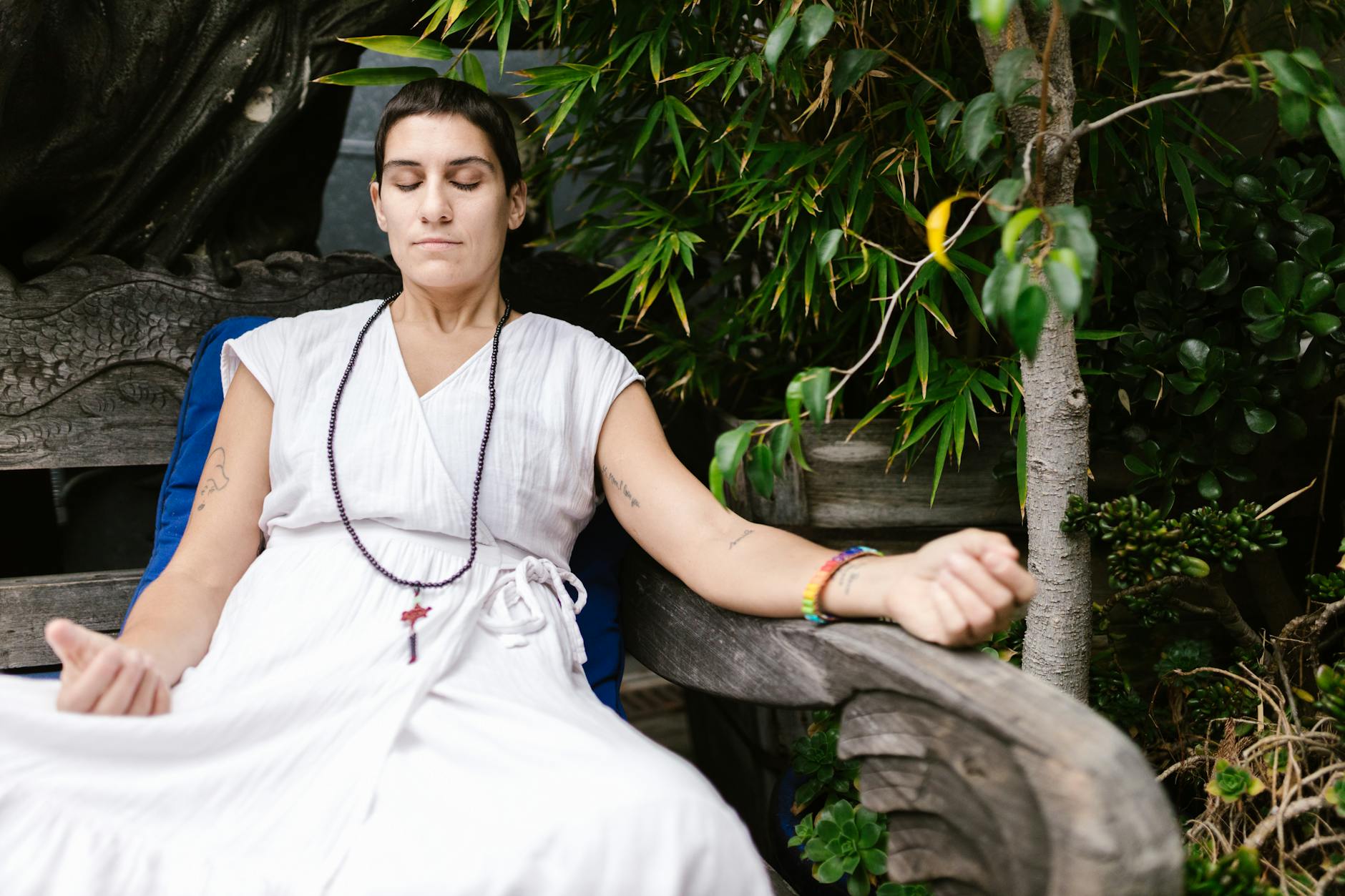
Il s’agit du contenu HTML de l’article de blog sur “Building Self-Worth Through Mindfulness: Techniques for a Calmer Mind”.
Do you ever feel like you’re constantly battling a critical inner voice? Like no matter what you achieve, a nagging feeling of inadequacy lingers? Many of us struggle with self-worth, that deep-seated sense of feeling good enough. The good news is, there’s a powerful tool available to help you build a stronger foundation of self-acceptance and overcome those negative thoughts: mindfulness.
Mindfulness is more than just meditation; it’s a way of being – a practice of paying attention to the present moment without judgment. By cultivating mindfulness, we can quiet the mental chatter, create space between our thoughts and feelings, and develop a more compassionate relationship with ourselves. This, in turn, can dramatically boost our self-worth, leading to a happier, more fulfilling life. Let’s delve into practical techniques to achieve this.
This article will guide you through effective mindfulness techniques to nurture your self-esteem and find lasting peace. Discover How to quiet your mind, and cultivate a sense of inner peace. Embrace The Power of the present moment and embark on a transformative journey towards self-acceptance.
Understanding the Link Between Mindfulness and Self-Worth
The core of self-worth is rooted in our self-perception and how we judge ourselves. When negativity dominates our inner dialogue, it erodes our sense of value. Mindfulness provides a powerful antidote to this self-criticism. Mindfulness helps us become aware of negative thought patterns without getting swept away by them.
The Power of Non-Judgment
A central tenet of mindfulness is non-judgment. This isn’t about ignoring our feelings; it’s about observing them without labeling them as “good” or “bad.” When we practice non-judgment, we create space between ourselves and our thoughts. We can begin to see that our thoughts are just thoughts, not inherent truths. This detachment allows us to challenge negative self-talk and replace it with more compassionate perspectives.
The Benefits of Present Moment Awareness
Mindfulness encourages us to focus on the present moment, rather than dwelling on the past or worrying about the future. This practice is incredibly beneficial for self-worth because it shifts our focus from “what if” scenarios and past mistakes to the reality of the present. By focusing on our breath, our bodily sensations, or the sounds around us, we can ground ourselves and find a sense of peace even amidst difficult emotions.
Simple Mindfulness Techniques for Daily Life
Incorporating mindfulness into your daily routine doesn’t require hours of meditation. Start small. Here are some practical techniques:
- Mindful Breathing: Take a few minutes each day to focus on your breath. Notice the sensation of the air entering and leaving your body. When your mind wanders (and it will!), gently redirect your attention back to your breath.
- Mindful Eating: Pay attention to the taste, texture, and smell of your food. Eat slowly and savor each bite. This simple act can help cultivate a sense of gratitude and presence.
- Mindful Walking: When you walk, pay attention to the feeling of your feet on the ground. Notice the movement of your body. Observe the sights, sounds, and smells around you.
- Body Scan Meditation: Lie down and bring your attention to different parts of your body. Notice any sensations without judgment. This can help you become more attuned to your physical self and reduce stress.
Cultivating Self-Compassion Through Mindfulness
Self-compassion is a crucial element of building self-worth. It involves treating yourself with the same kindness, care, and understanding you would offer to a dear friend. Mindfulness paves the way to self-compassion by helping us:
Recognizing Common Humanity
Mindfulness highlights the shared human experience. We all experience suffering, make mistakes, and have moments of self-doubt. Recognizing that you are not alone in these struggles can soften the sting of self-criticism and helps you to feel more connected to others.
Practicing Self-Kindness
When you notice a moment of self-criticism, try to respond with kindness. Ask yourself, “What do I need right now?” Imagine what you might say to a friend in a similar situation. Offer yourself words of encouragement and support to alleviate any feelings of frustration or disappointment. For example, if you made a mistake at work, instead of berating yourself, acknowledge your feelings and express understanding towards yourself.
Developing Mindfulness of Feelings
Practice recognizing and accepting your feelings without suppressing or judging them. Acknowledge your feelings without getting carried away by them. Mindfulness allows you to distance yourself from your emotions and observe them with a sense of understanding. With understanding, you can learn to accept them and develop more compassion for yourself during times of intense emotion.
Overcoming Obstacles and Maintaining the Practice
Building self-worth through mindfulness is a journey, not a destination. You’ll likely encounter challenges along the way. Be prepared for occasional setbacks. Here are some tips to help you persevere:
Dealing with a Wandering Mind
It’s perfectly normal for your mind to wander during meditation or mindfulness exercises. Don’t get discouraged! When you notice your mind drifting, gently redirect your attention back to your chosen focus, such as your breath or a body scan. This is actually a sign that you are practicing and becoming more aware.
Setting Realistic Expectations
Don’t expect overnight results. Building self-worth takes time and consistent effort. Celebrate small victories. Acknowledge even the smallest positive changes in your self-perception. Be patient with yourself, and remember that every mindful moment contributes to your overall well-being.
Finding Support
Consider joining a meditation group or seeking guidance from a therapist or mindfulness instructor. This will provide you with a supportive community and expert advice. Sharing your experiences and challenges with others can also be incredibly helpful.
Integrating Mindfulness into Your Daily Routine
To truly build lasting self-worth, make mindfulness a regular part of your life. This could mean dedicating a few minutes each morning to meditation, incorporating mindful pauses throughout your workday, or practicing mindful eating during your meals. Small steps, consistently applied, will bring significant benefits.
Creating a Mindfulness Schedule
Schedule your mindfulness practice into your calendar as you would any other important appointment. This ensures that you carve out time for self-care, even when you’re busy. Start with short, manageable sessions, and gradually increase the duration as you become more comfortable.
Utilizing Mindfulness Resources
Explore resources like guided meditation apps (e.g., Headspace, Calm), books, podcasts, and online courses. These resources can provide guidance, support, and new practices to keep your mindfulness journey engaging and effective. Experiment with different resources to find what works best for you and your lifestyle.
By regularly practicing mindfulness, you will start noticing an increase in your capacity to handle challenges more calmly. You’ll develop a stronger sense of self-acceptance and a belief in your own inherent value. You’ll slowly reduce the need to compare or evaluate yourself based on external forces.
Conclusion: Start Your Journey to a More Worthy You
Embarking on the path of mindfulness is an investment in your well-being. By integrating these techniques into your life, you are equipping yourself with the tools you need to build a stronger sense of Self-Worth and a calmer, more resilient mind. The power to shift your perspective and cultivate self-compassion lies within you. Take the first step today. Start with a few minutes of mindful breathing. You deserve to feel good about yourself.
Are you ready to begin? Start practicing now! Which technique appeals to you the most? Share your thoughts and experiences in the comments below!
Frequently Asked Questions (FAQ)
What is mindfulness?
Mindfulness is the practice of paying attention to the present moment without judgment. It involves observing your thoughts, feelings, and sensations as they arise, without getting carried away by them.
How long should I meditate to build self-worth?
Start with short sessions, even just 5-10 minutes a day. Consistency is more important than duration. As you become more comfortable, you can gradually increase the length of your sessions.
What if my mind wanders during meditation?
It’s completely normal for your mind to wander. When you notice your mind wandering, gently redirect your attention back to your chosen focus, such as your breath, without self-criticism.
Can mindfulness help with low self-esteem?
Yes, by fostering self-awareness, non-judgment and self-compassion, mindfulness can be a powerful tool to combat low self-esteem. It helps you challenge negative thought patterns and develop a more positive self-image.