
In today’s fast-paced world, stress seems to be an unwelcome companion. Constant demands on our time and attention can leave us feeling overwhelmed, anxious, and disconnected from the present moment. But what if there was a simple yet powerful practice that could help you reclaim your inner peace and navigate the challenges of daily life with greater ease? That practice is mindfulness.
Mindfulness, at its core, is the practice of paying attention to the present moment without judgment. It’s about being aware of your thoughts, feelings, bodily sensations, and the environment around you, without getting carried away by them. It’s about stepping out of the cycle of rumination and worry and finding a sense of grounding in the “here and now.” This article is your beginner’s guide to mindfulness, offering practical techniques and insights to help you cultivate calm and reduce stress in your life.
Whether you’re new to the concept or looking to deepen your practice, this guide will provide you with the foundational knowledge and simple exercises you can start using today. Get ready to explore the transformative power of mindfulness and discover how it can enhance your overall well-being. Let’s dive in!
What is Mindfulness and Why Should You Practice It?
Mindfulness is more than just a buzzword; it’s a powerful tool for managing stress, improving focus, and fostering a sense of inner peace. It’s about training your mind to be present, to observe your experiences without getting entangled in them. Think of it as developing a mental muscle that allows you to step back and observe your thoughts and feelings without being swept away by them.
The Benefits of Mindfulness
- Reduced Stress and Anxiety: Mindfulness helps to calm the nervous system, reducing the production of stress hormones like cortisol.
- Improved Focus and Concentration: Regularly practicing mindfulness enhances your ability to pay attention and stay present, making it easier to concentrate on tasks.
- Enhanced Emotional Regulation: By observing your emotions without judgment, you can learn to respond to them in a more balanced and skillful way.
- Increased Self-Awareness: Mindfulness provides valuable insights into your thoughts, feelings, and behavioral patterns, helping you understand yourself better.
- Improved Sleep Quality: Practicing mindfulness before bed can quiet your mind and body, promoting restful sleep.
In short, mindfulness offers a path toward greater well-being, helping you live a more intentional and fulfilling life.
Getting Started: Simple Mindfulness Exercises for Beginners
You don’t need any special equipment or training to start practicing mindfulness. These simple exercises are accessible to everyone, regardless of their age or background.
Mindful Breathing
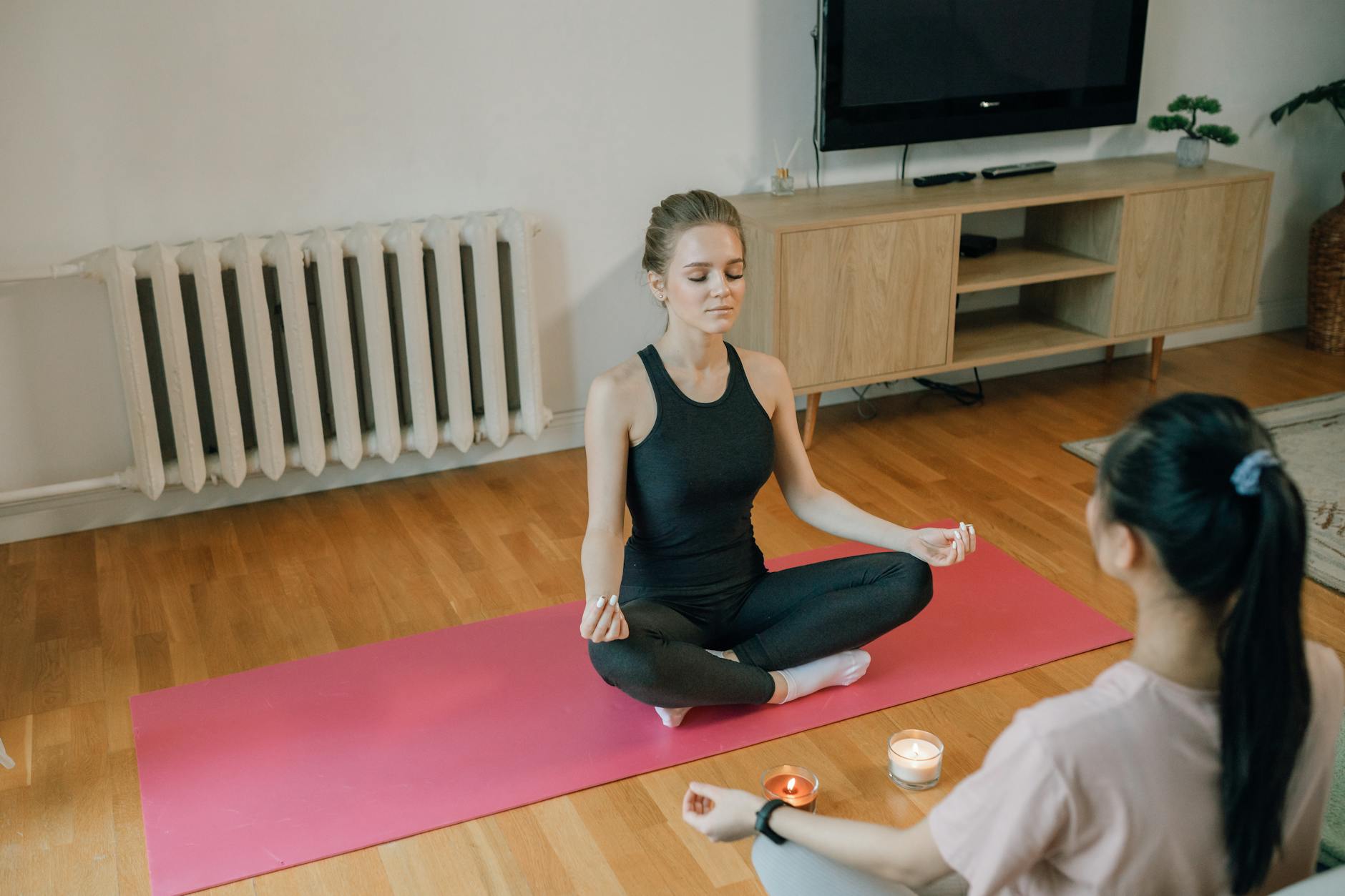
This is the cornerstone of many mindfulness practices. Find a comfortable position, either sitting or lying down. Close your eyes gently (or keep them softly focused on the floor in front of you) and bring your attention to your breath. Notice the sensation of the air entering and leaving your nostrils, the rise and fall of your chest or abdomen. When your mind wanders (and it will!), gently redirect your attention back to your breath. Start with just a few minutes a day and gradually increase the duration as you feel comfortable.
Body Scan Meditation
This exercise involves systematically bringing awareness to different parts of your body. Lie down comfortably. Starting with your toes, mentally scan each part of your body, noticing any sensations – warmth, coolness, tingling, or tension – without judgment. Move slowly up your body, paying attention to your feet, legs, torso, arms, head, and neck. This helps to increase body awareness and release physical tension. A body scan typically takes 10-20 minutes.
Mindful Walking
Turn a mundane activity into a mindfulness practice. When you walk, pay attention to the sensations of your feet making contact with the ground. Notice the movement of your body, the feeling of the air against your skin. Walk at a moderate pace, allowing yourself to be fully present in each step. This can be a great way to incorporate mindfulness into your daily routine.
Creating a Mindfulness Practice: Tips and Tricks
Establishing a consistent mindfulness practice requires a little planning and effort. Here are some tips to help you stay on track:
Find a Dedicated Time and Place
Choose a time of day and a quiet space where you can practice without distractions. This could be first thing in the morning, during your lunch break, or before bed. Consistency is key, so try to stick to a regular schedule.
Start Small and Build Gradually
Begin with short sessions, even just 5 or 10 minutes a day. Don’t try to cram too much in at once. As you become more comfortable, gradually increase the duration of your practice.
Be Patient and Kind to Yourself
Your mind will wander, and that’s perfectly normal. Don’t get discouraged if you find it difficult to stay focused. When your mind wanders, gently bring your attention back to your chosen anchor (breath, body sensations, etc.). Practice self-compassion and remember that every moment of mindfulness is a step in the right direction.
Use Guided Meditations
There are countless guided meditations available online and through apps. These can be particularly helpful for beginners, providing structure and guidance.
Addressing Common Challenges in Mindfulness Practice
It’s common to encounter challenges when you begin practicing mindfulness. Here’s how to address some of The Most common ones:
Dealing with a Busy Mind
Your mind will inevitably wander. The key is not to judge the wandering thoughts, but simply to acknowledge them and gently redirect your attention back to your anchor (breath, body sensations, etc.). This is the practice of mindfulness – repeatedly bringing your attention back to the present moment.
Managing Difficult Emotions
Mindfulness can sometimes bring up difficult emotions. If this happens, don’t try to suppress them. Instead, observe them with curiosity and kindness. Acknowledge them, feel them fully, and remind yourself that they are temporary. Remember that mindfulness isn’t about eliminating difficult emotions, but about learning to relate to them in a healthier way.
Finding Time for Mindfulness
Life is busy, but even a few minutes each day can make a difference. Integrate mindfulness into your daily routine – during your commute, while washing dishes, or waiting in line. Look for “micro-moments” of mindfulness throughout the day. Consider scheduling your sessions in a calendar, just like any other important appointment.
Conclusion: Embrace Mindfulness for a Calmer, More Focused You
Mindfulness is a powerful tool that can Transform Your life, helping you cultivate calm, reduce stress, and live more fully in the present moment. By incorporating the simple exercises and practical tips outlined in this guide, you can embark on a journey towards greater well-being and a deeper connection with yourself.
Start practicing today! Even a few minutes of mindfulness each day can make a difference. Embrace The Power of the present moment and discover the peace that awaits.
Ready to take the next step?
- Find a quiet place.
- Set a timer for 5 minutes.
- Focus on your breath.
- Notice your thoughts and feelings without judgment.
- When your timer goes off, congratulate yourself!!
Frequently Asked Questions
What is the difference between mindfulness and meditation?
Mindfulness is the underlying concept, the quality of paying attention to the present moment without judgment. Meditation is a practice that cultivates mindfulness. It’s a method for training the mind.
How often should I practice mindfulness?
Ideally, you should practice mindfulness daily. Even a few minutes each day will bring benefits. Aim for at least 10-15 minutes, but any amount of practice is helpful.
Can mindfulness help with anxiety?
Yes, mindfulness has been shown to be effective in reducing anxiety symptoms. By focusing on the present moment, mindfulness can help you break free from the cycle of worry and rumination.
What if I can’t “clear my mind”?
Trying to clear your mind entirely is not the goal of mindfulness. The goal is to observe your thoughts without getting carried away by them. When your mind wanders, simply acknowledge the thought and gently redirect your attention back to your chosen anchor.
Are there any resources I can use to get started?
Yes, many resources are available! Consider using guided meditation apps (like Headspace or Calm), online courses, and books on mindfulness. These resources can provide structure and guidance, especially for beginners.