
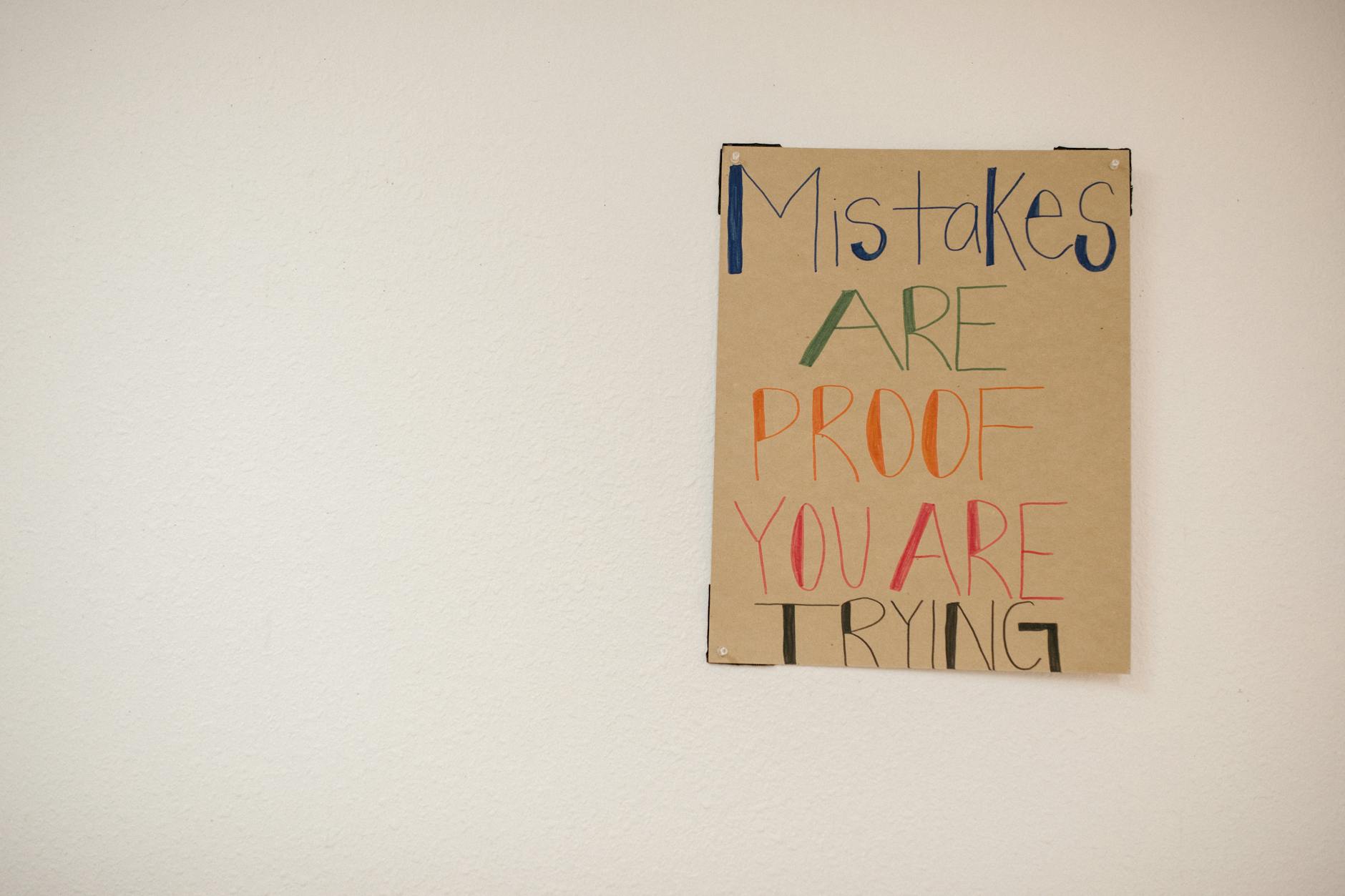
10 Success Quotes That Will Change Your Perspective on Failure
We all strive for success, don’t we? The pursuit of achievement, the thrill of reaching our goals – it’s a driving force in our lives. But what happens when we stumble? When we face a setback, a disappointment, or outright failure? Our immediate reaction is often negative: self-doubt, discouragement, and the urge to give up. But what if we could shift our perspective? What if failure wasn’t the end, but a crucial stepping stone on the path to success? This is where the wisdom of some of the world’s most successful individuals comes into play.
This article dives into 10 powerful success quotes, specifically chosen to reshape your understanding of failure. We’ll explore how these words of wisdom, from entrepreneurs to authors, can help you embrace setbacks, learn from your mistakes, and ultimately, discover a more resilient and successful version of yourself. Prepare to be inspired and motivated to view failure not as a destination, but as an essential part of the journey. Let’s transform your perspective and build a mindset that thrives on challenge!
1. “Success is not final; failure is not fatal: It is the courage to continue that counts.” – Winston Churchill
This quote from the legendary Winston Churchill encapsulates the core of resilience. It reminds us that success is a temporary state, not a permanent one. We can’t become complacent. Similarly, failure isn’t a death sentence. It doesn’t define us. The real measure of a person is their ability to persevere, to keep moving forward despite adversity. This quote encourages you to develop the courage to continue striving, even when the odds seem stacked against you. It’s about the grit and determination you bring to the table.
The Power of Perseverance
Perseverance is key. It is the attitude that allows us to push past obstacles. Ask yourself: “What have I done today to keep moving forward in the face of my fears?”. Every small step, no matter how insignificant it might seem, fuels your journey.
2. “I have not failed. I’ve just found 10,000 ways that won’t work.” – Thomas Edison
Thomas Edison, the inventor of the light bulb, offers a powerful perspective on failure. He didn’t view his multiple attempts as failures; instead, he saw them as vital parts of the learning process. This quote is a masterclass in reframing challenges. It suggests that every “failure” provides valuable information, revealing what doesn’t work and bringing you closer to The Ultimate goal. This mindset promotes a more positive and productive approach by enabling you to see each attempt as valuable learning experiences.
Embrace the Experimentation Mindset
Think of your endeavors the way a scientist would approach an experiment. Hypothesis, test, analyze, and repeat. Each time you test something and it doesn’t work, you’ve learned something valuable. This approach removes the emotional sting of failure, creating space to think clearly.
3. “Failure is an opportunity to learn and grow.” – Unknown
This simple yet profound quote is a timeless reminder. Failure provides a golden opportunity for growth. When things don’t go as planned, you are forced to re-evaluate your strategies, identify your mistakes, and adapt. This process fuels personal and professional development. Analyze the situation and adjust course. The opportunity to learn often comes wrapped in the guise of challenge.
Turning Setbacks into Stepping Stones
View each setback as a learning experience that contributes to your ultimate goal. What specific actions brought on the failure? How could they be addressed differently in the future? This enables you to take your learnings and move forward, stronger as a result of the challenge.
4. “The only real mistake is the one from which we learn nothing.” – Henry Ford
Henry Ford, the visionary behind the Ford Motor Company, understood the true definition of failure. He believed that the only truly detrimental action is failing to learn from experience. The key is to introspect after a setback: What can I improve? What actions or decisions led to this outcome, and what could I do differently next time? This quote stresses the importance of self-reflection and continuous improvement. Without learning on the path, we go nowhere.
Reflect and Refine
After a perceived failure, take time to analyze the situation objectively. Identify the root causes and develop a plan for improvement. Learning from failure requires a willingness to objectively face your mistakes and commit to change.
5. “It is impossible to live without failing at something, unless you live so cautiously that you might as well not have lived at all – in which case, you fail by default.” – J.K. Rowling
J.K. Rowling, the author of the Harry Potter series, encourages readers embrace risk and opportunity. Striving for something, and even failing, is better than being too afraid to pursue goals at all. This highlights the importance of courage and action and promotes a zest for life. The alternative is worse! You must actively participate in life’s challenges, even when faced with fear.
Fear is Inevitable; Courage is a Choice
Understand that fear is a normal human response. Don’t let it paralyze you. Acknowledge your fears, take action, and you will develop the mental strength to face them. Remember these words when feeling discouraged.
Conclusion: Embrace the Journey, Embrace Failure
These 10 quotes offer a wealth of wisdom to help you shift your perspective on failure. By embracing the lessons within these words, you can transform setbacks into valuable learning experiences. You can develop resilience, cultivate a growth mindset, and ultimately, achieve your goals with greater confidence and determination. Remember, the path to success is rarely a straight line. It’s filled with twists, turns, and the occasional stumble. The key is to learn from those stumbles, dust yourself off, and keep moving forward.
Call to Action
Which of these quotes resonated with you the most? Share your thoughts and experiences in the comments below! How have you used failure as a stepping stone to success? Let’s learn from each other and build a community that thrives on growth and resilience. Don’t be afraid to take risks, learn from your experiences, and celebrate your journey!
FAQ: Your Questions About Failure and Success
Q: How can I overcome the fear of failure?
A: Start small, embrace learning, and reframe your perspective. View failures as opportunities for growth. Break things down into small manageable steps, which lowers the stakes involved.
Q: What is a “growth mindset,” and how does it relate to failure?
A: A growth mindset is the belief that your abilities and intelligence can be developed through dedication and hard work. With the growth mindset, failure is seen as a welcome challenge that provides the opportunity to improve.
Q: How do I learn from my mistakes?
A: Reflect on the situation, identify what went wrong, and then develop a plan to improve for next time. Analyse the process to determine how it might have gone wrong, and use these learnings going forward.
Q: Is it possible to avoid all failures?
A: No. Trying to avoid all failures means avoiding risk. The only way to live life fully is by embracing challenges and trying new things, even while knowing that failure might happen.