
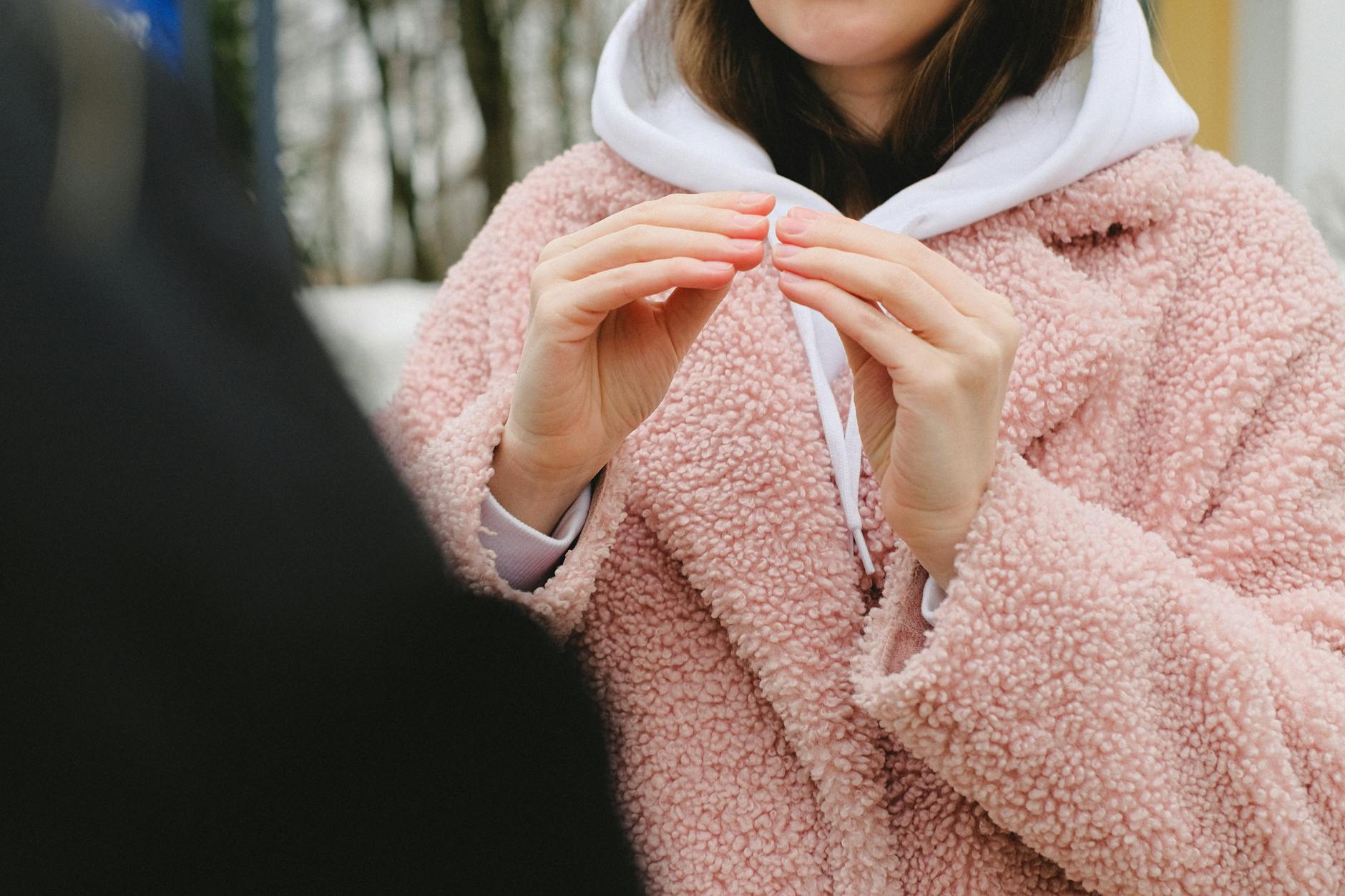
Decoding Body Language: Unveiling Hidden Cues in Social Interactions
Ever walked into a room and felt a certain vibe, even before anyone said a word? Ever wondered what someone *really* means when they say one thing but their face tells a different story? Well, you’re not alone. Our bodies are constantly sending out signals, a silent language known as body language, that often speaks volumes more than our spoken words. Understanding these cues can significantly enhance your social intelligence, improve your communication skills, and even help you navigate complex relationships with greater ease.
This article will delve into the fascinating world of body language, breaking down the key elements and providing you with the tools you need to become a sharper observer. We’ll cover everything from facial expressions and gestures to posture and personal space, equipping you to decode the unspoken messages that shape our interactions. Get ready to unlock a whole new dimension of understanding!
1. The Power of Facial Expressions
Facial expressions are arguably the most immediate and impactful form of body language. They’re like a window to our souls, often revealing our true feelings, even when we try to mask them. Mastering The Art of reading facial cues is a crucial first step in decoding the messages others are sending.
Recognizing Key Emotions
Several universal facial expressions are recognized across cultures. Learning to identify these can provide a foundational understanding of someone’s emotional state. Here are some of the most common and their associated clues:
- Happiness: Raised cheeks, crinkling around the eyes (crow’s feet), a genuine smile.
- Sadness: Drooping eyelids, downturned mouth, furrowed brow.
- Anger: Furrowed brow, tensed jaw, narrowed eyes.
- Surprise: Raised eyebrows, wide-open eyes, open mouth.
- Fear: Raised eyebrows, widened eyes, slightly opened mouth, often accompanied by tense neck muscles.
- Disgust: Raised upper lip, wrinkled nose, narrowed eyes.
Remember that context is crucial. A fleeting expression might not tell the whole story. Consider the situation and other body language cues before drawing conclusions.
2. Decoding Gestures: What Your Hands Are Saying
Gestures, particularly hand movements, are another primary component of body language. They can emphasize our words, convey emotions, and even reveal hidden thoughts and intentions. Paying attention to these subtle movements can offer valuable insights into the speaker’s state of mind.
Common Gestures and Their Meanings
Here are some common hand gestures and their general interpretations. Note that, as always, context is key, and cultural differences may influence interpretation:
- Open palms: Often indicates honesty, sincerity, and openness.
- Clenched fists: May signify anger, frustration, or defensiveness.
- Steepling of the fingers (with hands clasped together with tips of fingers touching): Often represents confidence, authority, and self-assurance.
- Touching the face or mouth: Can be a sign of deception, insecurity, or a contemplative state.
- Crossing arms: While often associated with defensiveness, it can also signify comfort or simply being cold.
Pay attention to the frequency and intensity of gestures. A nervous fidget might indicate anxiety, while animated gestures could suggest enthusiasm.
3. Posture and Body Positioning: The Art of Standing and Sitting
Posture, the way we hold our bodies, speaks volumes about our confidence, mood, and engagement level. From the way we stand to the way we sit, every angle can tell a story.
Reading Postural Clues
Here’s How to interpret some common postural signals:
- Upright posture: Generally suggests confidence, alertness, and openness.
- Slouching: Can indicate boredom, low self-esteem, or a lack of interest.
- Leaning in: Signals interest, attention, and engagement.
- Leaning back: Might suggest disinterest, relaxation, or even overconfidence.
- Crossing legs: Can indicate defensiveness, comfort, or simply a preferred sitting position. The interpretation also varies by the direction of the leg crossing: towards someone else often denotes attraction or comfort; away from someone might indicate disinterest or a desire to leave the interaction.
Consider the overall posture, not just individual components. A confident individual will likely exhibit multiple signs of power, while someone feeling insecure might display a combination of closed-off postures.
4. The Secrets of Personal Space: Proxemics in Action
Proxemics, the study of personal space, is a fundamental aspect of body language. Our comfort levels with space vary depending on the relationship, cultural norms, and the context of the interaction. Recognizing violations of personal space can often unearth unspoken emotions.
Understanding Zones of Space
Most experts divide personal space into four general zones:
- Intimate space (0-1.5 feet): Reserved for close relationships, romantic partners, and family members.
- Personal space (1.5-4 feet): Used for interactions with close friends and acquaintances.
- Social space (4-12 feet): Appropriate for interactions with strangers, colleagues, and in professional settings.
- Public space (12+ feet): Used for addressing large groups or speaking publicly.
Invading someone’s personal space without invitation can be perceived as aggressive or threatening. Conversely, maintaining too much distance can signal disinterest or a lack of confidence.
5. Putting It All Together: Holistic Interpretation
The key to mastering body language lies in holistic interpretation. Don’t just focus on individual signals; consider the context, the person’s personality, and the overall cluster of cues. This approach provides a much more accurate and insightful understanding of the nonverbal messages being communicated.
Developing Your Decoding Skills
Here are a few tips to enhance your ability to interpret body language effectively:
- Practice observation: Make a habit of observing people in various settings, paying attention to their body language.
- Consider cultural differences: Recognize that gestures and postures can have different meanings across cultures.
- Watch for clusters of cues: Don’t rely on a single signal; look for multiple indicators that support each other.
- Trust your intuition: Your gut feeling can often be a valuable guide, but back it up with observable evidence.
- Be patient: Developing your body language skills takes time and practice.
With consistent effort, you’ll become more adept at deciphering the hidden language of social interactions, empowering you to build stronger relationships and communicate more effectively.
Conclusion
Decoding body language is like unlocking a secret code to understanding human behavior. By paying attention to facial expressions, gestures, posture, and personal space, you can gain valuable insights into the thoughts, feelings, and intentions of others. This knowledge empowers you to enhance your communication skills, build stronger relationships, and navigate social situations with greater confidence. Start practicing today, and prepare to be amazed by what you discover!
Ready to take your understanding to the next level? Start observing people’s body language in your everyday interactions and try to identify the cues we discussed. Which body language cues do you find most interesting? Share your thoughts in the comments below!
FAQ: Commonly Asked Questions
What is the most important element of body language?
While all elements are important, facial expressions are often considered the most immediate and revealing.
Are body language cues always reliable?
No, body language cues should be interpreted in context. Individual expressions may be misleading or influenced by cultural differences or personal traits.
Can body language be controlled?
While some aspects can be consciously controlled, many body language cues are subconscious, making them more difficult to conceal. However, with practice, one can become more aware of, and possibly modify, their body language.
How can I improve my body language skills?
Practice observation, read books and articles on the topic, and consider taking a course or workshop to learn about facial microexpressions and non-verbal communication methods.