
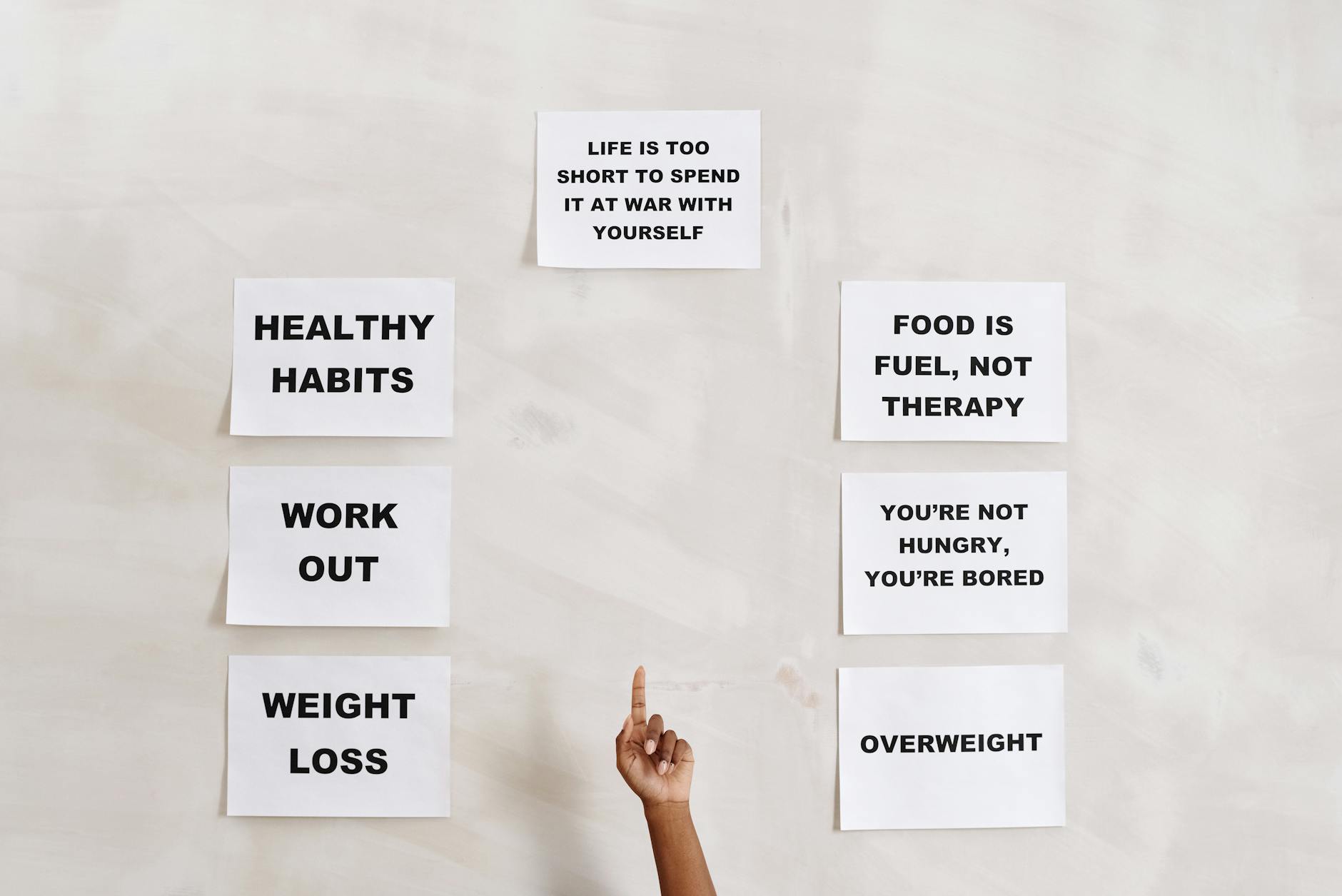
Here’s the content:
Are you tired of those pesky bad habits that seem to hold you back? Whether it’s biting your nails, procrastinating, or negative self-talk, breaking free can feel like an uphill battle. But it’s absolutely possible! The key lies in understanding the science behind habit formation and implementing effective strategies to rewire your brain and cultivate positive change. This article dives deep into how to break bad habits, focusing on the powerful connection between your thoughts, behaviors, and the tools you need to succeed.
Changing your habits isn’t just about willpower; it’s about crafting a new reality. It requires awareness, planning, and consistent effort. We’ll explore practical techniques, from identifying your triggers to Building a support system, providing you with the roadmap to a healthier, happier you. Let’s embark on this journey of self-improvement together and finally say goodbye to those unwanted behaviors!
This guide equips you with the knowledge and actionable steps required to effectively overcome your old habits and embrace new, empowering ones that serve your best self. Prepare to Unlock Your potential and create lasting, positive transformations.
1. Understanding the Science of Habit Formation
Before you can conquer a bad habit, you need to understand how it’s formed in the first place. Habits are developed through a neurological process known as the habit loop, which consists of three key components:
- Cue: This is the trigger that initiates the behavior. It can be anything from a specific time of day to a certain emotion or location.
- Routine: This is the behavior itself, the action you take in response to the cue. This is the habit itself.
- Reward: This is the outcome or feeling that reinforces the habit, making you more likely to repeat it in the future. The reward often feels pleasurable, but it may also be relief from anxiety or stress.
Understanding this loop is the first step toward breaking free. By identifying the cues and the rewards that drive your bad habits, you can start to disrupt the pattern.
Breaking Down the Habit Loop
To successfully break a habit, you need to target each part of the loop. For example, if your habit is to check your email compulsively, consider the habit loop: The *cue* might be hearing your phone ding, the *routine* is checking your inbox immediately, and the *reward* could be the satisfaction of feeling informed or a temporary distraction from work. By recognizing that cue, the routine that follows, and the reward tied to the behavior, you begin to see the whole strategy.
2. Identifying Your Triggers and Behaviors
The first crucial step is to gain awareness of your habits and the situations that trigger them. This involves some self-reflection and, potentially, keeping a journal. Here’s how to begin:
Tracking Your Habits
Keep a detailed record of your behavior, including the following:
- The behavior itself: Be specific. Don’t just say “I eat junk food.” Instead, write “I ate a bag of chips.”
- The cue: What was happening just before the behavior? (e.g., Boredom, stress, watching TV)
- The time and location: When and where did the behavior occur?
- Your feelings: How were you feeling before, during, and after the behavior?
Tracking your habits for a week or two will reveal patterns and triggers you might not have been aware of. This data will be instrumental in developing your strategy.
Identifying Core Beliefs
Pay attention to the negative thoughts and self-talk that often accompany your bad habits. These are often rooted in deeper core beliefs about yourself and the world. Challenging these beliefs can be essential to breaking the habit. For example, if you overeat when stressed, your core belief might be that you are not good enough. Identifying the underlying emotions and beliefs will help you replace them with more positive ones.
3. Replacing Negative Thoughts with Positive Affirmations
Negative self-talk can be a major driver of bad habits. It fuels feelings of inadequacy, self-doubt, and ultimately, a sense of helplessness. The good news is, you can counteract this with positive affirmations.
Crafting Effective Affirmations
To be effective, affirmations should be:
- Specific: Focus on the specific behavior you want to change.
- Present tense: Phrase them as if they are already true.
- Positive: Focus on what you *want* to achieve, rather than what you *don’t* want.
- Emotionally resonant: Choose affirmations that feel true and resonate with you.
Example: instead of “I will stop smoking,” try “I am a healthy, non-smoker, and I feel incredible.”
Using Affirmations Effectively
Repeat your affirmations regularly, ideally several times a day. You can say them out loud, write them down, or even visualize them. Consistency is key! Pair your affirmation with some actionable steps to make it become a reality. Use the power of positivity to reshape your thought processes and begin thinking in a positive light.
4. Implementing Behavior Modification Strategies
Once you understand your triggers and have a plan for addressing negative thinking, it’s time to put your strategies into action with behavior modification techniques.
Breaking Down the Habit Loop (Again!)
You can use the habit loop to find solutions. Focus on interrupting each part of the loop:
- Change the cue: If you are triggered by a certain location, try avoiding that location or changing the environment. If it is a feeling or emotion, use mindfulness techniques or coping skills to change your reaction.
- Change the routine: Replace the bad habit with a healthier alternative. This is the core of changing a habit.
- Change the reward: Find more appropriate rewards that do not have negative consequences.
Using Alternative Behaviors
Develop alternative behaviors to replace the negative ones. For example, if you tend to snack when stressed, try going for a walk, calling a friend, or practicing deep breathing exercises instead.
Gradual Change
Don’t try to change everything at once. Start with small, manageable goals to build momentum and avoid feeling overwhelmed. A plan to replace the negative behaviors with positive strategies is key.
5. Building a Support System and Staying Motivated
Changing habits is often a challenging journey. Having a good support system can make a huge difference in your success.
Seeking Support
Share your goals with friends, family, or a therapist group. Enlist the support of people who believe in you and will encourage your efforts.
Celebrating Successes
Acknowledge and celebrate your progress, no matter how small. Reward yourself for milestones achieved to stay motivated and reinforce positive behaviors. This could be anything from buying a small gift to treating yourself to a movie.
Dealing with Setbacks
Relapses are a typical part of the process. Don’t let a setback discourage you. Treat it as a learning opportunity; analyze what went wrong, adjust your strategy, and get back on track. Forgive yourself and move forward!
Keep focused on the bigger picture of your overall plan, and your progress. There are steps and techniques that you can implement to achieve these results.
Conclusion
Breaking bad habits is achievable with the right knowledge, strategies, and support. By understanding the science behind habit formation, identifying your triggers, challenging negative thoughts, implementing behavior modification techniques, and building a strong support system, you can transform your life. Remember that consistency and self-compassion are key. Embrace the journey, and celebrate your successes along the way. You deserve a better life!
Ready to start changing your life? Begin by tracking your habits today! Identify your triggers, and start challenging your negative beliefs. Take small steps to see huge results!
FAQ: Frequently Asked Questions
How long does it take to break a bad habit?
There’s no magic number. It varies depending on the habit, the person, and the strategies used. Some habits can be broken in a few weeks, while others take much longer. The key is persistence.
What if I relapse?
Relapses are normal. Don’t get discouraged. Analyze what triggered the relapse, learn from it, and get back on track. Use it as an opportunity to review and improve your plan.
What if I can’t identify my triggers?
Keep a detailed journal of your behavior over a few weeks. The patterns will usually emerge over time. Consider consulting with a therapist, counselor, or habit guru to help look at your situation more constructively.
Are there any apps that can help?
Yes, there are many habit-tracking apps available that can help you monitor your progress, set goals, and provide encouragement.
What if my habit is related to an underlying mental health issue?
It’s important to seek help from a qualified mental health professional. Therapy and medication may be needed to address the underlying issues and support the process of breaking the habit.