
Here’s the HTML content for your blog post, designed to be SEO-friendly and meet all your requirements:
Are you struggling to focus while working from home? Do you feel your creative spark dimming in your current workspace? It’s a common problem. The environment you work in has a profound impact on your productivity and creativity. A cluttered, poorly lit, or uninspiring space can quickly lead to distractions, procrastination, and a general lack of motivation. On the other hand, a thoughtfully designed workspace can be your secret weapon for success.
Creating a workspace that fosters both productivity and creativity isn’t about expensive renovations or dramatic overhauls. It’s about making deliberate choices to optimize your environment for the tasks you need to accomplish. This guide will walk you through the key elements of designing a workspace that inspires you to do your best work, whether you’re a freelancer, a remote employee, or simply someone looking to streamline their personal projects.
Let’s dive in and transform your workspace into a powerhouse of inspiration!
1. Declutter and Organize Your Space
Before you introduce any fancy decor or ergonomic furniture, the most crucial step is to declutter your workspace. A messy environment is a cluttered mind. It’s nearly impossible to focus when surrounded by piles of papers, random objects, and unnecessary distractions. This is where you can truly benefit from this step to elevate your overall work.
The Power of Minimalism
Embrace the power of minimalism. This doesn’t mean you need to strip your space bare, but rather, be intentional about what you keep. Ask yourself: Does this item serve a purpose? Does it bring you joy? If the answer is no, consider donating, discarding, or relocating it. A minimalist approach allows you focus on the projects at hand.
Organization Strategies
- Utilize Vertical Space: Shelves, floating desks, and wall-mounted organizers can free up valuable desk space.
- Implement a Filing System: Digital or physical, a well-organized filing system for documents is essential.
- Contain Clutter: Use boxes, drawers, and baskets to store items neatly out of sight.
- Regularly Purge: Schedule regular decluttering sessions to maintain a tidy workspace.
2. Optimize for Lighting and Ergonomics
Proper lighting and ergonomics are critical for both your physical well-being and your productivity. Poor lighting can strain your eyes, leading to headaches and fatigue, while uncomfortable posture can cause back pain and limit your focus and performance. Lighting and ergonomics together form the foundation of your ideal working station.
The Importance of Good Lighting
Natural light is ideal, but it’s not always possible. If you don’t have access to much natural light, supplement with task lighting, overhead lighting, and ambient lighting. The right lighting is fundamental to working comfortably and minimizing tiredness. Consider positioning your desk near a window and using a desk lamp.
Ergonomic Essentials for Enhanced Comfort
- Ergonomic Chair: Invest in a chair that supports your lower back and allows for proper posture.
- Adjustable Desk: Consider a standing desk to alternate between sitting and standing, promoting movement and reducing sedentary time.
- Monitor Placement: Position your monitor at arm’s length, with the top of the screen at or slightly below eye level.
- Keyboard and Mouse: Choose ergonomic keyboard and mouse options to help with wrist strain.
3. Introduce Inspiring Elements
Your workspace should be a source of inspiration, not just a place to get work done. Surround yourself with elements that spark your creativity, boost your mood, and remind you of your goals. Make use of elements that positively affect your overall creativity.
Personalizing Your Space
Choose décor that reflects your personality and interests. This could include:
- Artwork: Hang inspiring prints, paintings, or photographs that you love.
- Plants: Bring the outdoors in with plants. They can improve air quality and create a calming atmosphere, promoting a sense of flow.
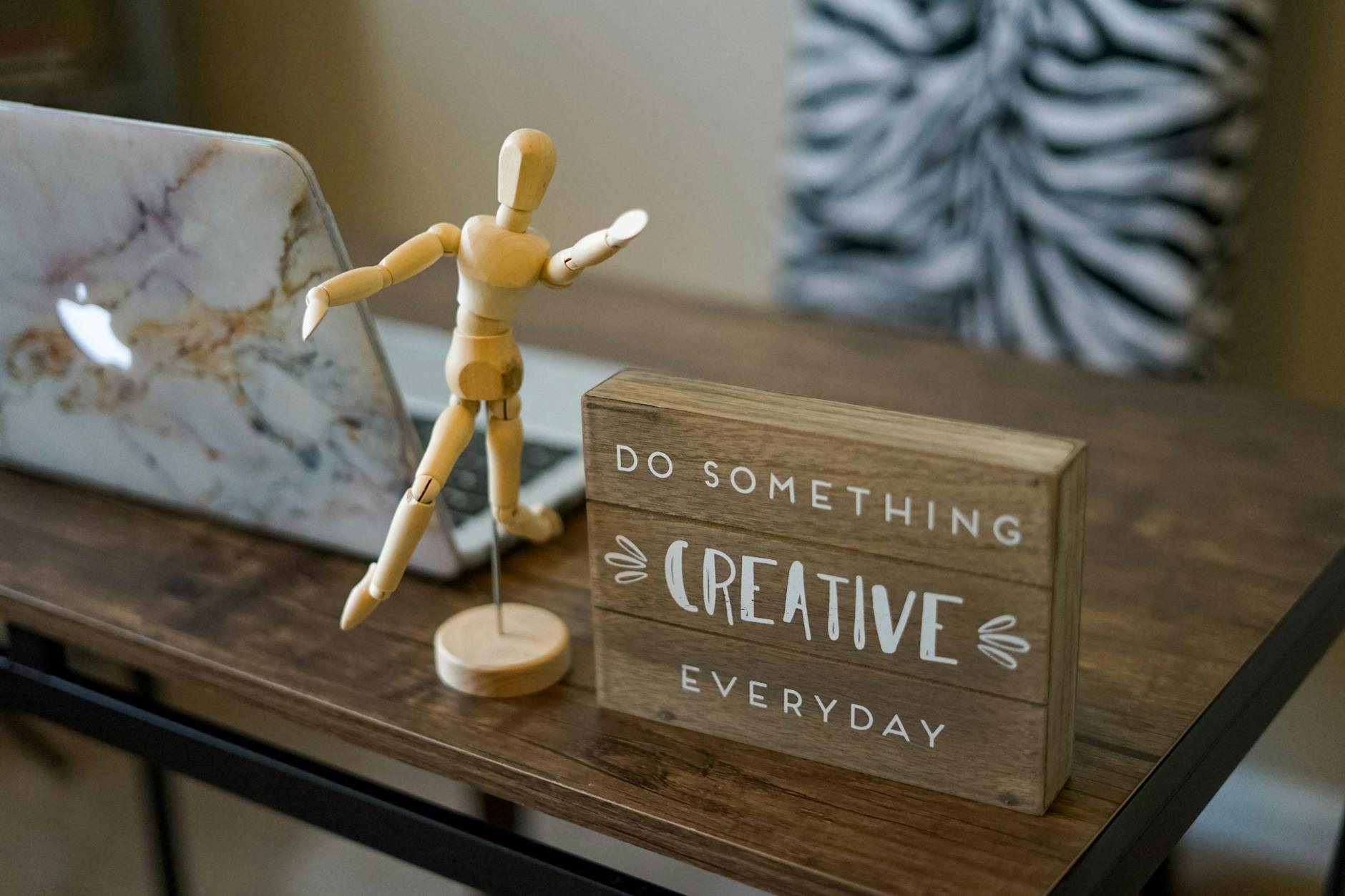
- Motivational Quotes: Frame your favorite quotes or create a vision board to keep you inspired.
- Personal Items: Display items that have sentimental value or spark joy, such as photos of loved ones or souvenirs from favorite trips.
Creating a Sensory Experience
Consider the other senses in your workspace:
- Music: Have a playlist of music that helps you focus or boosts your mood.
- Aromatherapy: Use essential oils or a diffuser to create a pleasant and invigorating scent.
- Texture: Incorporate different textures like a soft throw blanket, a textured desk pad, or a cozy rug to add visual and tactile interest.
4. Minimize Distractions
Distractions are the enemy of productivity. If the workspace is not clear, then work won’t be as good. Identify and minimize the distractions that hinder your focus.
Soundproofing and Noise Control
Noise is a major distraction. Consider these techniques:
- Noise-Canceling Headphones: Block out unwanted sounds with noise-canceling headphones.
- White Noise: Use a white noise machine or app to mask distracting sounds.
- Soundproofing: If possible, soundproof your workspace by adding rugs, curtains, or acoustic panels.
Digital Distraction Management
Digital distractions can be just as disruptive. Consider:
- Website Blockers: Use website blockers to limit access to distracting websites during work hours.
- Notification Management: Turn off notifications on your phone and computer or use the Do Not Disturb features.
- Dedicated Work Time: Schedule specific times for checking emails and social media.
5. Establish a Routine and Maintain the Space
Once you’ve created an inspiring and productive workspace, it’s essential to establish a routine and maintain the space to keep it that way. Creating a suitable routine is also vital to keep up your productivity.
Building a Productive Routine
Develop a daily or weekly routine that keeps you focused. This includes:
- Dedicated Work Hours: Set specific work hours that fit your schedule.
- Breaks and Movement: Schedule regular breaks to stretch, walk around, or do something enjoyable, as well as regular walks.
- Time Blocking: Use time-blocking techniques to allocate specific time slots for tasks.
Workspace Maintenance Tips
To avoid a return to the environment you are trying to move away from, adopt regular workspace maintenance:
- Daily Clean-Up: At the end of each day, take a few minutes to tidy up your desk and put things away.
- Weekly Cleaning: Schedule a weekly cleaning session to dust, wipe down surfaces, and organize your space.
- Regular Review: Periodically review your workspace to see if it’s still meeting your needs and make adjustments as needed.
This is where the magic happens!
These steps, when followed together, lead to a very productive work area or space.
So, consider incorporating the above points to make your working time more productive.
Conclusion
Creating a workspace that inspires productivity and creativity is an ongoing process, not a one-time endeavor. By decluttering, optimizing lighting and ergonomics, introducing inspiring elements, minimizing distractions, and establishing a consistent routine, you can transform your workspace into a place where you thrive.
Ready to take the next step? Start by decluttering your desk and creating a to-do list for your workspace transformation. Share your progress and tips in the comments below! Let’s create amazing spaces together!
FAQ
How often should I declutter my workspace?
Aim to declutter your workspace regularly, ideally daily or weekly, to prevent clutter from accumulating. A monthly deep clean is also a great idea!
What if I don’t have a dedicated home office?
You can still create a productive workspace even if you don’t have a dedicated home office. Dedicate a specific area, and use portable organization tools.
How do I combat procrastination in my workspace?
Identify your common distractions and address them. Break down large tasks into smaller, manageable steps, and use the Pomodoro Technique or similar time management methods.
What are <a href="https://www.dramicor.com/the-best-books-and-resources-for-building-self-worth-a-comprehensive-guide/" title="The Best Books and Resources for Building Self-Worth: A Comprehensive Guide”>The Best types of plants for a workspace?
Plants that are easy to care for and that help purify the air are ideal. Choose plants like snake plants, spider plants, or pothos for ideal air hygiene.
Is it worth investing in an ergonomic chair?
Yes, an ergonomic chair is a valuable investment as it supports good posture, reduces the risk of back pain, and can greatly improve your comfort and productivity.