
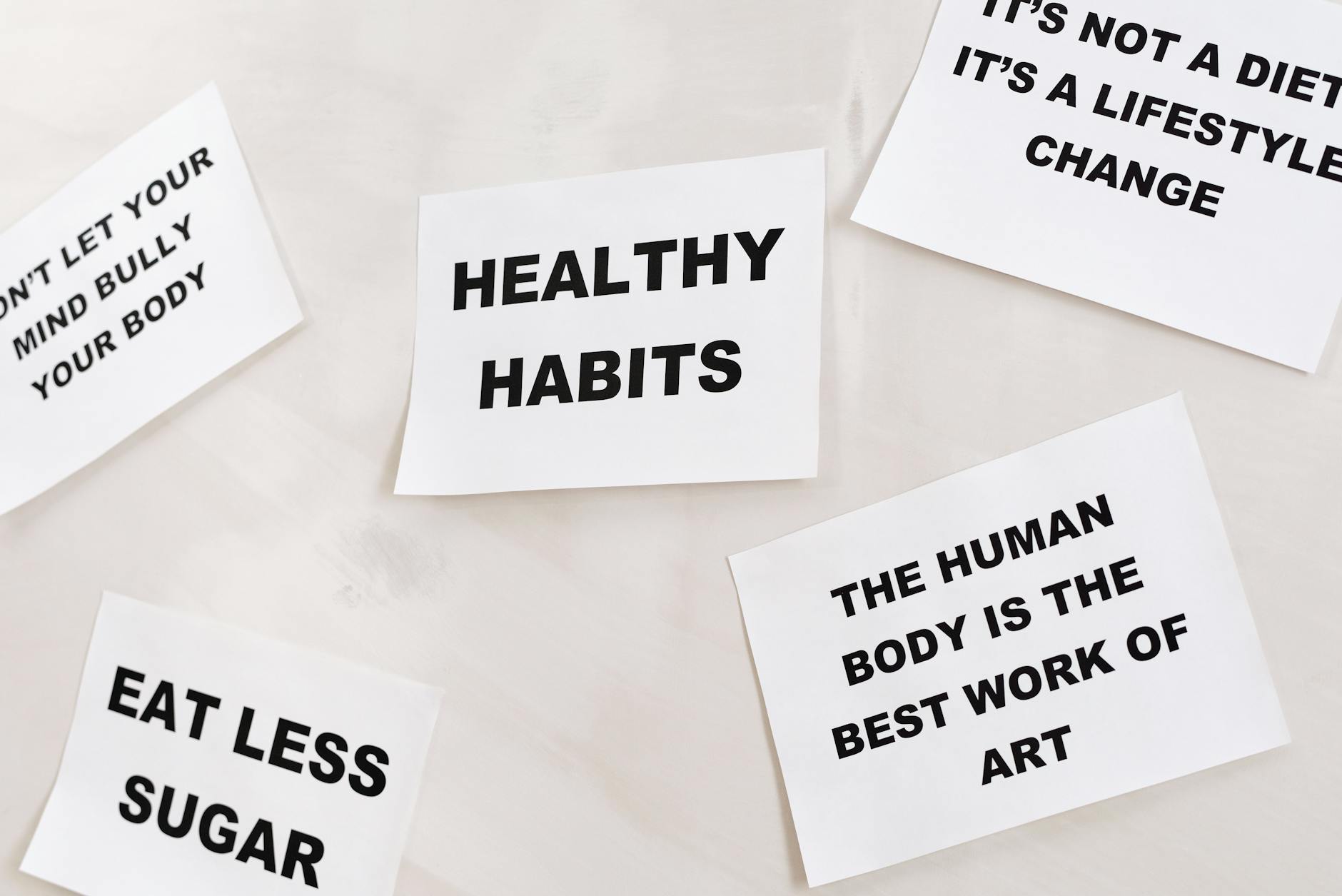
Breaking Bad Habits: Discipline Quotes and Methods for Lasting Change
We all have them: those pesky habits that we wish we could shake off. Whether it’s biting our nails, procrastinating, spending too much time on social media, or indulging in unhealthy food choices, breaking bad habits can feel like a monumental task. But it doesn’t have to be! Achieving lasting change requires more than just willpower; it requires a strategic approach, a dose of self-compassion, and the right tools. This article explores powerful methods for breaking bad habits, fueled by motivational discipline quotes to keep you inspired every step of the way.
The journey to change isn’t always linear. There will be setbacks. There will be moments where you feel like giving up. But that’s where <a href="https://www.dramicor.com/the-power-of-positive-affirmations-a-beginners-guide-to-building-self-worth/" title="The Power of Positive Affirmations: A Beginner's Guide to Building Self-Worth“>The Power of self-discipline, coupled with effective strategies, comes into play. By understanding the root causes of our bad habits and implementing proven techniques, we can rewire our brains and create new, healthier patterns. Let’s delve into the process of not only identifying those habits but also developing the discipline and commitment needed to leave them behind and embrace positive change.
This guide will equip you with practical strategies, backed by the wisdom of discipline quotes, to help you understand your habits, develop a plan, and become The Best version of yourself. Prepare to transform your life, one habit at a time!
1. Understanding the Enemy: Identifying Your Bad Habits
Before you can conquer your bad habits, you must first understand them. This involves a process of self-reflection and honest assessment. Start by making a list of the habits you want to break. Be specific. Instead of writing “eating unhealthy food,” write “eating a bag of chips every evening while watching TV.” The more specific you are, the easier it will be to identify the triggers, patterns, and underlying reasons behind the habit.
Uncovering the Triggers
What situations, emotions, or thoughts trigger your bad habits? Are you bored, stressed, lonely, or tired? Do you engage in the habit during specific times of the day or in certain places? Recognizing these triggers is crucial for breaking the cycle. For example, if you find yourself reaching for sugary snacks when you’re stressed, that’s your trigger.
Analyzing the Patterns
Once you’ve identified your triggers, look for patterns. Do you always engage in the habit after work? At the same time each day? Recognizing these patterns allows you to anticipate and prepare for the urge.
Understanding the Reasons
Why do you engage in this habit? What are you getting out of it? Are you seeking comfort, distraction, or pleasure? Understanding the underlying reasons will help you find healthier ways to meet those needs. For example, if your habit is to smoke, you might be using it to manage stress. Discovering healthier coping mechanisms will be your goal. Remember the power of discipline quotes to stay focused!
2. The Power of Planning: Setting Realistic Goals
Once you understand your bad habits, it’s time to create a plan. This involves setting realistic goals and breaking down your larger goal into smaller, manageable steps. This increases your chances of success and prevents you from feeling overwhelmed.
Setting SMART Goals
Use the SMART goal framework:
- Specific: Define exactly what you want to achieve.
- Measurable: How will you track your progress? (e.g., “I will exercise for 30 minutes, three times a week.”)
- Achievable: Is the goal realistic for you?
- Relevant: Does the goal align with your values and overall objectives?
- Time-bound: Set a deadline (e.g., “By the end of the month”).
Breaking Down the Habit
Divide your goal into smaller steps. For example, if your goal is to stop procrastinating, you might break it down into these steps:
- Identify the task you’re procrastinating on.
- Divide it into smaller, more manageable subtasks.
- Set a time limit for each subtask.
- Reward yourself after completing each subtask.
Creating a Timeline
Establish a timeline for each step. This provides structure and accountability, helping you stay on track. This is where discipline quotes stating affirmations, and reminding yourself of the desired outcome can be motivating.
3. Implementing Effective Strategies: Techniques for Change
Now, let’s explore some effective strategies to help you break free from your bad habits. This section includes tried and true methods that, when combined with your goal-setting, can truly empower you to succeed.
Replacing Bad Habits
Instead of trying to eliminate a habit completely, focus on replacing it with a healthier alternative. For example, replace your evening snack of chips with a piece of fruit or a handful of nuts. This helps satisfy the underlying need without engaging in the undesirable behavior.
Managing Your Environment
Your environment significantly influences your habits. If you’re trying to eat healthier, get rid of all the unhealthy snacks in your home. If you’re trying to reduce screen time, put your phone away during certain hours. This proactively eliminates triggers and makes it easier to resist temptation. Consider this: “Discipline is the bridge between goals and accomplishment.”
Tracking Your Progress
Keep a journal or use an app to track your progress. This helps you identify patterns, recognize triggers, and stay motivated. Seeing your progress visually can be incredibly rewarding and provides the momentum you need to keep going.
Seeking Support
Tell your friends, family, or a therapist about your goals. Having a support system can provide encouragement and accountability during challenging times. Often, having other people to hold you accountable brings you closer to your goals. The use of discipline quotes can be a major source of motivation for you and your support system.
4. Cultivating Discipline: Staying Motivated and Focused
Discipline isn’t about sheer willpower; it’s about developing mental strength and the skill of controlling your inner urges. Staying motivated and focused is crucial for long-term change. Incorporating discipline quotes into your daily routine is a fantastic way to do this.
Developing a Routine
Establishing a daily routine provides structure and reduces decision fatigue. Incorporating healthy habits into your routine, such as exercise or meditation, can also help you stay on track.
Practicing Self-Compassion
Be kind to yourself. Setbacks are inevitable. Don’t beat yourself up when you slip up; instead, learn from your mistakes and get back on track. Use the moment to reflect on what went wrong and how you can prevent it from happening again. Remember the many discipline quotes about perseverance and learning from mistakes, to motivate yourself.
Rewarding Yourself
Celebrate your successes, no matter how small. Reward yourself for completing milestones or resisting temptations. This will reinforce positive behaviors and keep you motivated.
Finding a Mantra
Develop a personal mantra or a collection of discipline quotes to repeat when you’re struggling. This can help you stay focused and motivated when you feel like giving up. Choose something that resonates with you and reminds you of your commitment to change.
5. Staying the Course: Maintaining Lasting Change
Breaking a bad habit is only the first step. Maintaining lasting change requires ongoing effort and a commitment to your new, healthier behaviors. This involves consistency, adaptability, and a long-term perspective.
Consistency is Key
Consistency is crucial for reinforcing new habits and making them stick. Stick to your plan as much as possible, even when you don’t feel like it. Over time, the new behavior will become second nature.
Adapting to Challenges
Life is full of unexpected challenges. Be prepared to adapt your plan as needed. If one strategy isn’t working, try a different approach. Flexibility is essential for maintaining your momentum.
Celebrating the Journey
Focus on the positive changes you’ve made and celebrate your progress. Remember why you started and how far you’ve come. The use of discipline quotes to highlight success can be very motivating!
Visualization
Regularly visualize yourself successfully breaking your habit and achieving your goals. This mental rehearsal can strengthen your resolve and reinforce positive behaviors. Visualize the outcome, and consider the feeling of accomplishment that comes with it!
Conclusion: Embrace the Change
Breaking bad habits and embracing lasting change is a journey of self-discovery, fueled by discipline, perseverance, and strategic action. By understanding your habits, setting realistic goals, implementing effective strategies, and cultivating mental strength, you can transform your life and create a healthier, happier you. Remember those discipline quotes you identified at the start? Now, let them guide you through this process. Don’t be afraid to stumble; these are the lessons that pave the path to your new life. Embrace the power you have within you. You’ve got this!
Ready to start breaking your bad habits and transform your life? Take the first step today!
- What is the first bad habit you want to tackle? Identify it!
- What is the trigger?
- What can you replace it with?
Share your goals in the comments below! We’re here to support you!
FAQ: Frequently Asked Questions
How long does it take to break a bad habit?
The time it takes to break a bad habit varies depending on the habit itself, the individual, and the strategies employed. It’s impossible to give a definite time frame, but persistence is key.
What if I slip up?
It’s okay to slip up. Everyone does. The important thing is to learn from your mistakes and get back on track as quickly as possible. Don’t let a single setback derail your progress. Remember the use of discipline quotes to encourage you.
How can I stay motivated when I feel discouraged?
Reconnect with your “why.” Remind yourself of your goals and the benefits of breaking the habit. Seek support from friends, family, or a therapist, and celebrate your successes. Using discipline quotes to refocus is also an excellent tool.
What if my bad habit is caused by something deeper like anxiety or depression?
If your bad habit is related to underlying mental health issues, it’s important to seek professional help from a therapist or psychiatrist. They can provide support, guidance, and treatment to address the root causes of the behavior.
Is willpower enough to break bad habits?
Willpower on its own is often not enough. It’s an important factor, but strategies, creating a plan and working with the right techniques are important. Coupling a plan with the power of discipline quotes can also make a major difference.