
Here’s the requested HTML content:
In today’s fast-paced world, stress seems to be an unwelcome companion. From the constant demands of work to the pressures of personal life, our minds are often overwhelmed, leaving us feeling anxious and burnt out. But what if there was a simple, accessible way to regain control and find inner peace? Enter mindfulness and meditation – powerful practices that can transform your well-being and help you navigate the challenges of modern life with greater ease and resilience.
Mindfulness and meditation aren’t about emptying your mind completely; rather, they’re about cultivating a gentle awareness of the present moment. By learning to observe your thoughts, feelings, and sensations without judgment, you can break free from the cycle of Overthinking and worry. This, in turn, can significantly reduce your stress levels and improve your overall quality of life. Ready to embark on a journey of self-discovery and tranquility? Let’s dive in!
This article will explore the core concepts of mindfulness and meditation, offering practical tips and techniques to integrate these life-changing practices into your daily routine. Discover how you can calm your mind, reduce stress, and cultivate a sense of inner peace that empowers you to live a more fulfilling life.
What is Mindfulness? Understanding the Core Principles
Mindfulness is the practice of paying attention to the present moment without judgment. It involves noticing your thoughts, feelings, and bodily sensations as they arise, without getting carried away by them. This conscious awareness allows you to disengage from the automatic patterns of thinking and reacting that often lead to stress and anxiety. It’s about being present, fully engaged, and accepting of your experience as it is.
The Benefits of Mindfulness
The benefits of practicing mindfulness are extensive and well-documented. Studies have shown that mindfulness can:
- Reduce stress and anxiety: By training your mind to focus on the present, you can lessen the impact of worrying thoughts.
- Improve focus and concentration: Mindfulness helps you to quiet the mental chatter, making it easier to concentrate on tasks.
- Enhance emotional regulation: Mindfulness helps you become more aware of your emotions, enabling you to manage them more effectively.
- Improve sleep quality: Mindfulness can calm your mind and body, promoting relaxation and better sleep.
- Increase self-awareness: Through mindful practice, you develop a deeper understanding of your thoughts, feelings, and behaviors.
Getting Started with Meditation: A Beginner’s Guide
Meditation is a specific practice that cultivates mindfulness. While there are various types of meditation, the core principle remains the same: training your mind to focus and be present. It’s a skill that can be developed with practice, and even short meditation sessions can make a difference.
Choosing a Meditation Method
There are many different types of meditation to choose from. Here are a few popular methods for beginners:
- Breath Awareness Meditation: Focus on the sensation of your breath as it enters and leaves your body.
- Body Scan Meditation: Bring your attention to different parts of your body, noticing any sensations you experience.
- Guided Meditation: Follow a pre-recorded session that guides you through specific techniques.
- Walking Meditation: Focus on the physical sensations of walking, such as the feeling of your feet on the ground.
Creating a Meditation Routine
Consistency is key when it comes to meditation practice. Here’s How to create a simple meditation routine:
- Set a time and place: Choose a consistent time and a quiet space where you won’t be disturbed.
- Start small: Begin with 5-10 minutes of meditation each day and gradually increase the duration as you become more comfortable.
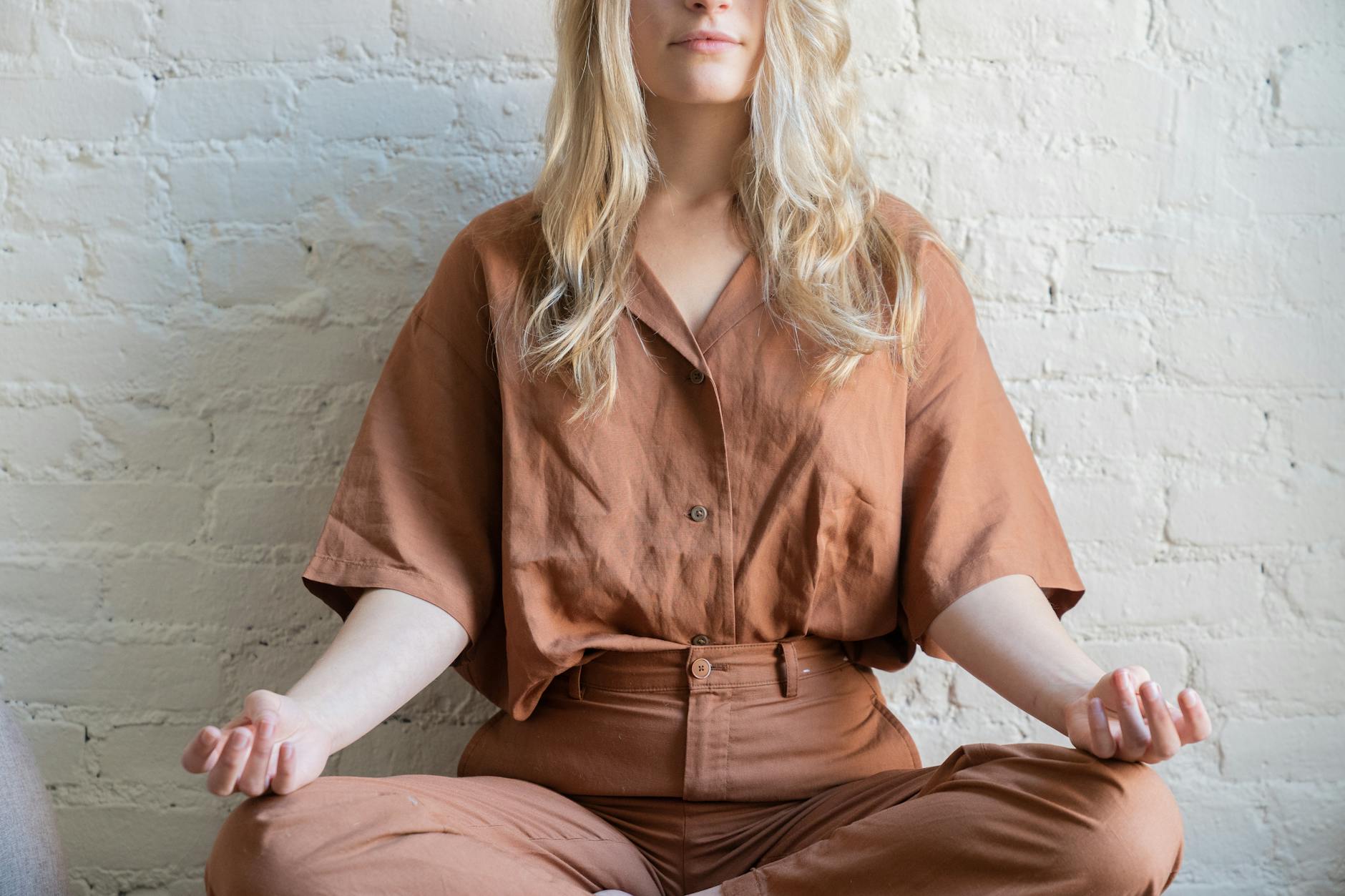
- Find a comfortable posture: You can sit on a cushion, in a chair, or even lie down. The important thing is to be comfortable.
- Focus your attention: Gently bring your attention back to your chosen focal point (e.g., your breath) whenever your mind wanders.
- Be patient with yourself: It’s normal for your mind to wander. Gently redirect your attention back to your focal point without judgment.
Practical Techniques for Stress Reduction through Mindfulness
Mindfulness goes beyond formal meditation practices. You can integrate mindfulness into your daily routine to reduce stress and cultivate a greater sense of calm. These techniques can be especially helpful in challenging situations.
Mindful Breathing Exercises
Deep, conscious breathing can quickly calm your nervous system. Try these techniques:
- Diaphragmatic Breathing (Belly Breathing): Place your hand on your belly and breathe deeply, allowing your belly to rise and fall.
- Box Breathing (Square Breathing): Inhale for a count of four, hold for four, exhale for four, and hold for four.
- Alternate Nostril Breathing (Nadi Shodhana): Close one nostril and inhale, then switch and exhale, repeating the process.
Mindful Eating
Pay attention to the taste, texture, and smell of your food. Eat slowly and savor each bite. This can help reduce overeating and improve your digestion.
Mindful Movement
Practice yoga, tai chi, or simply go for a mindful walk, paying attention to the sensations in your body and the environment around you. Focus on the present moment.
Integrating Mindfulness into Your Daily Life
Making mindfulness a part of your daily life isn’t about adding more to your already busy schedule. It’s about changing the way you approach your existing activities. This integration can make a profound difference to the level of stress experienced.
Mindful Moments throughout the Day
Look for opportunities to practice mindfulness throughout your day:
- While waiting in line: Focus on your breath or the sensations in your body.
- During your commute: Pay attention to the sights, sounds, and sensations of your journey.
- While doing chores: Focus on the present moment and the tasks at hand.
- During conversations: Listen attentively to others without interrupting or formulating your response.
Cultivating Self-Compassion
Mindfulness and meditation can promote self-compassion, which involves treating yourself with kindness and understanding. Recognize that everyone experiences challenges and that it’s okay to feel stressed or imperfect. Be kind to yourself! This will reduce stress significantly.
Frequently Asked Questions (FAQ)
How often should I meditate?
Even a few minutes of meditation each day can be beneficial. Consistency is more important than duration. Aim for at least 5-10 minutes daily, and gradually increase the time as you feel comfortable.
What if my mind wanders during meditation?
It’s perfectly normal for your mind to wander. The goal isn’t to stop thinking, but to gently redirect your attention back to your chosen focus whenever your mind drifts. Don’t get discouraged, just start over!
Can I meditate if I have a mental health condition?
While mindfulness and meditation can be helpful for managing stress and anxiety, they are not a substitute for professional mental health care. If you have a mental health condition, it’s essential to consult with a qualified therapist or healthcare provider before starting a meditation practice to ensure it’s appropriate for you. In some cases, guided meditations and other forms of therapy are better suited to your needs.
Where should I meditate?
You can meditate anywhere you feel comfortable and relatively undisturbed. Many people enjoy meditating in a quiet room, outdoors in nature, or even at their desks. The key is to find a space that promotes relaxation and focus.
Conclusion: Embrace The Power of Mindfulness and Meditation
Mindfulness and meditation offer a powerful path to reducing stress, calming your mind, and cultivating inner peace. By incorporating these practices into your daily life, you can transform your relationship with your thoughts, feelings, and the world around you. This journey can provide the tools needed to combat daily stressors more effectively.
Start today! Commit to a few minutes of meditation each day, experiment with mindful breathing, and bring awareness to your daily activities. You will be surprised by the positive impact it can have on your life. Take the first step towards a calmer, more resilient, and fulfilling you.